
The Physical Signs of Alcoholism
According to a recent national survey, 14.1 million adults have an alcohol use disorder. As AUD progresses, people begin to exhibit visible changes. Often, drinking increases through either consistent daily use or binging episodes. Individuals may not realize they are sliding further into the disease of alcoholism, but people close to them see marked differences in behaviors and physical health.
It is essential for people struggling with substance abuse to have professional support to overcome addiction. Alcohol use has toxic effects on the entire body, and some health issues reach a point where the damage is no longer reversible. Chronic systemic problems from alcoholism may lead to other serious diseases. If you are dealing with alcohol abuse or have someone in your life who is dependent on alcohol, check for these physical signs of alcoholism and seek help to begin the recovery process.
Physiological Changes
Body changes are strong indicators that alcohol abuse is becoming a serious matter. The physical effects of alcoholism manifest in specific ways.
Gait
Walking instability is a problem when you use alcohol. You may see people in a drunken state stagger and lose their balance. The longer you use alcohol, the more the brain becomes impaired and less capable of rebounding from the physical deterioration. A critical study found that for chronic alcohol abusers there is no change in gait and balance deficits despite a significant period of abstinence.
Hygiene
Alcoholics can become inattentive to personal hygiene and have a disheveled appearance when abusing substances. They may not realize this is a concern until someone points it out. Poor physical care and an unkempt appearance are serious problems if this issue affects the workplace, social circles or family life.
Weight
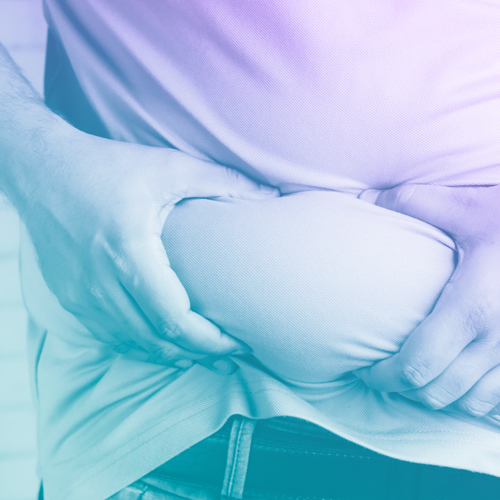
Weight loss and weight gain are indicators that a person’s alcohol use is changing. Some people have a decreased appetite for food and begin to lose weight. Alcohol takes priority over nutrition. You may also experience weight gain because you crave high-fat foods. Interestingly, Princeton University scientists found that the same chemical trigger that produces high-fat food cravings (galanin) may increase the desire for alcohol.

Puffy Face
A face that appears bloated after drinking is a sign of alcoholism. Alcohol causes dehydration in the body because it is a diuretic. The organs in the body react by retaining as much water as possible. This leads to a puffy face and water retention in extremities. A puffy face is a distinguishing characteristic of an excessive drinker.
Red Nose and Cheeks
The facial signs of alcoholism are numerous. Redness of the face is common as repeated drinking episodes put pressure on blood vessels causing them to enlarge. This is a symptom of decreasing vascular control. The brain cannot regulate the vascular system due to regular alcohol use, and blood vessels become inflamed or damaged.

Injuries
Alcoholics are prone to accidents and injuries due to impaired body systems that regulate movement and coordination. You may notice bumps, bruises or abrasions after drinking episodes or binges. Heavy alcohol intake also significantly increases the risk of falls. The chance of serious injury grows as alcoholic behaviors intensify.
Ulcers
Alcoholics frequently experience nausea and vomiting after sustained drinking periods or benders. One serious outcome is gastritis which erodes the stomach wall. This makes individuals prone to ulcers that can cause vomiting of blood and bile.
Confusion
Confusion is a red light that alcohol is causing damage to your brain. You may lose short-term memory or the ability to perform daily tasks. If you are in alcohol withdrawal, this can have a host of severe effects on the body, including persistent mental confusion as the body attempts to reclaim its chemical balance.
Tremors
Alcohol shakes happen when the body is going through withdrawal. You may notice tremors between drinking episodes as your body systems struggle to regain equilibrium. These shakes increase in frequency as alcoholism moves into later stages. Tremors are signs of serious health problems, and you need professional care to detox safely.

Psychological Changes
Psychological changes caused by alcohol abuse have physical manifestations. Many individuals get clean and later relapse believing they can manage drinking in moderation. As brain chemistry changes, continued alcohol use complicates existing mental health issues or triggers new conditions. These are physical responses to psychological issues caused by alcohol abuse.

- Mood swings: As alcohol affects the endocrine system, you may have mood swings. Alcohol-related mood swings are expressed through temper shifts, erratic actions, agitation, aggression and violent outbursts.
- Panic and Anxiety: Alcoholism complicates life for individuals who already have anxiety or panic disorder. People experience profuse sweating, pounding heart, difficult breathing, and intense chest pressure, which mimic other frightening alcohol-induced health symptoms.
- Depression: Alcohol and depression are co-occurring disorders, with each one exacerbating the effects of the other. People suffering from these complicated and intertwined feedback loops are prone to fatigue, sleep problems, digestion issues, headaches, mood shifts and weight loss.
It is important to seek professional help for mental health issues and develop a support system.
Biological Changes
Alcoholism presents long-term health risks because the body’s defense systems cease to function normally. You become increasingly vulnerable to life-threatening diseases. The body systems are an intricate network, so the breakdown of one or more systems has detrimental effects on the others. Even if you receive medical treatment, your body may not have the ability to heal. In late-stage alcoholism, there is a greater risk of having multiple disease factors coincide.
Liver Disease
Heavy drinking causes severe damage to the liver. If alcohol use persists, the damage is often irreversible. Liver inflammation becomes acute and leads to these problems:
- Cirrhosis
- Fibrosis
- Steatosis (fatty liver)
- Hepatitis
The liver is unable to regulate chemicals in the blood or excrete toxins which include excess alcohol. People with severe liver disease have a yellowish color to their skin and eyes. They typically have stomach pain, itchy skin, dark urine, swelling in the legs, nausea and lethargy.
Heart Disease
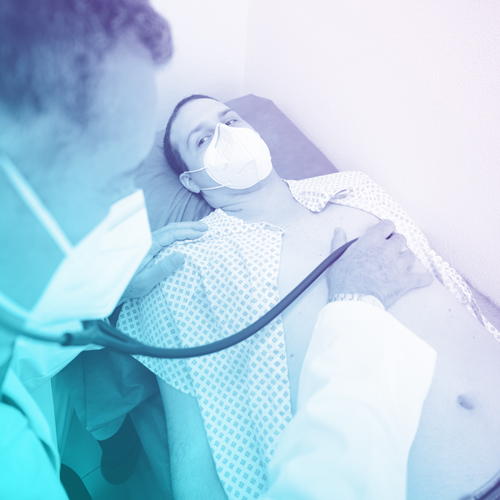
The heart muscle weakens from the abuse of alcohol over time and changes the pumping action. The heart enlarges due to poor blood flow. These are the effects:
- High blood pressure
- Arrhythmias (irregular heartbeat)
- Cardiomyopathy (stretching of heart muscle)
- Heart failure
- Stroke
People with heart disease often lack energy because the heart muscle is under stress. You may experience physical symptoms, such as fatigue, pain, swelling, breathing problems and irregular heart rate.
Brain Dysfunction
Alcohol-related brain disease results from consistent alcohol consumption. Even moderate drinkers are at risk. You may notice these issues with ARBD:
- Irritability
- Confusion
- Concentration problems
- Numbness in extremities
- Behavior changes
- Impaired memory
The condition of a person with ARBD may stabilize if drinking ceases. However, memory issues can lead to a greater risk of progressive dementia without treatment for alcohol abuse.

Immune System Weakness
Heavy alcohol consumption has many harmful effects on the immune system. The immune system is responsible for the body’s defense mechanisms. When these protections are weakened, all sorts of diseases can occur. These are signs of a damaged immune system:
- You have wounds that will not heal
- You have recurring viral infections
- You have stomach problems
- You have increasing illnesses
- You have consistent fatigue
A malfunctioning immune system leaves you vulnerable to all types of diseases.
Cancer Growth
Cancers are serious outcomes of alcoholism. Many types of cancer growth are associated with drinking heavily, including liver, breast, colorectal, esophageal, and head and neck cancers. These are common physical indicators of many cancers: fatigue, weight loss, appetite loss, swelling and pale skin tone.
The Reason To Choose Person-Centered Recovery
Clean Recovery Centers provides person-cenered alcohol recovery programs that are unique to individual needs. Our treatment plans focus on the whole person: physical, mental, social and spiritual well-being. We build on your strengths and work with you to make life-changing decisions.
We encourage you to learn more about our three-phase treatment approach that includes preparation, action and maintenance that moves you through the entire process of addiction recovery. After completing treatment, you can take advantage of our alumni program for ongoing support. Call us today at 888-330-2532 to get started on a new path.
Sources:
- https://www.niaaa.nih.gov/publications/brochures-and-fact-sheets/understanding-alcohol-use-disorder
- https://www.ncbi.nlm.nih.gov/pmc/articles/PMC3465531/
- https://pr.princeton.edu/news/04/q4/1215-galanin.htm
- https://pubs.niaaa.nih.gov/publications/arh22-1/61-66.pdf
- https://www.nimh.nih.gov/health/publications/panic-disorder-when-fear-overwhelms
- https://www.cdc.gov/alcohol/fact-sheets/alcohol-use.htm
- https://pgdf.org/alcohol-related-brain-damage-can-occur-with-moderate-drinking/
- https://www.niaaa.nih.gov/alcohols-effects-health/alcohols-effects-body
