
The Dangers of Self-Medicating for Depression
Depression is one of the most prevalent mental illnesses on the planet. Approximately 300 million people around the world suffer from some type of depression, and without treatment, it can result in suicide. Depression manifests itself in various symptoms, including anxiety, loss of interest in anything, social isolation, poor appetite, lack of concentration and mood swings. To deal with all this, some people resort to self-medicating rather than get the help they need.
Addiction and depression go hand-in-hand because some people would rather suffer from addiction than deal with the hopelessness and restlessness associated with depression. However, self-medication is a losing endeavor. Anyone suffering from depression needs to get the necessary help, and that means avoiding the trap of self-medication.
Dangers of Alcohol
Many people consume alcohol in excessive quantities to not think about their depression. Alcohol tends to make people more social and jovial, which a person with depression may see as a positive if they are ordinarily withdrawn. Consuming alcohol too often can lead to addiction and legal consequences. A person may drink and drive because they lack the necessary judgment to know that is a bad idea. People who have experienced some kind of trauma in their lives are more likely to resort to alcohol than others.
Dangers of Marijuana
A lot of people use marijuana because they view it as a less dangerous type of drug. They believe there is no risk of addiction, but there are dangers associated with this medication. No matter what state you live in, it is still illegal to drive under the influence of any substance, including weed. Additionally, some studies have shown frequent marijuana usage can actually worsen the symptoms of depression.
Dangers of Caffeine
Caffeine is a stimulant that will perk you up. Many people with depression have trouble finding the energy to do activities, and they think caffeine can help with that. While you may feel perkier, your insulin levels will drop. This creates feelings of depression and confusion and heighten anxiety. If you need to stay awake in the morning, then you should stick with one cup of tea or coffee.
Dangers of Over-Eating
A lot of people partake in “emotional eating.” This is a way to soothe negative feelings or suppress them entirely. While it may momentarily remove stress, it is not a healthy way to go about doing so. For starters, it can lead to weight gain, which is not good for a person’s health in the long run. If a person does not feel good about his or her body, then it can make a person feel worse.
Dangers of Opioids
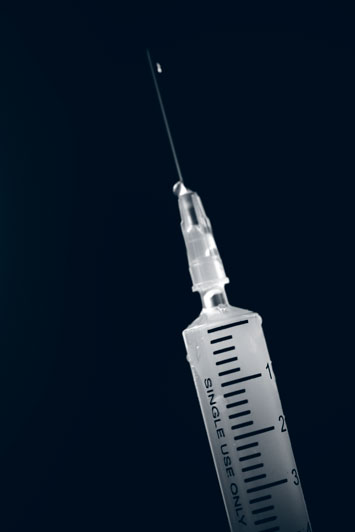
Opioids are one of the greatest dangers facing American society today. These include methadone, heroin and codeine. While depression is a common factor among opioid users, the symptoms can become worse with continued usage. Opioids are highly addictive, so users will continue using greater and greater amounts of the drug to get the same high. Another danger of resorting to opioids is the risk of fentanyl, which greatly increases the chance of death.
Dangers of Psychostimulants
Amphetamines and cocaine are dangerous psychostimulants. These drugs create a sense of euphoria within the user, which makes them another dangerously addictive substance. Amphetamines speed up the heart rate, greatly increasing a person’s chances of having heart failure. While the substances may distract the person from depression, the “crash” feeling the drugs leave behind is often worse than the depression is ordinarily.
Self-medicating is not a valid way to deal with depression in the long term. People suffering from depression or any other mental illness in the Tampa area should contact Clean Recovery Centers right away. We can help you find the perfect way to manage your depression, so you can enjoy life to the fullest.
Sources:
- https://www.who.int/news-room/fact-sheets/detail/depression
- https://www.cleanrecoverycenters.com/self-medicating-depression-anxiety-when-popping-pills-stops-being-fun/
- https://www.healthline.com/health/depression/forms-self-medication#alcohol
- https://www.sciencedirect.com/science/article/pii/S037687161501649X
- https://www.ncbi.nlm.nih.gov/pubmed/23795762
