
Self-Medicating Depression & Anxiety: When Popping-Pills Stops Being Fun
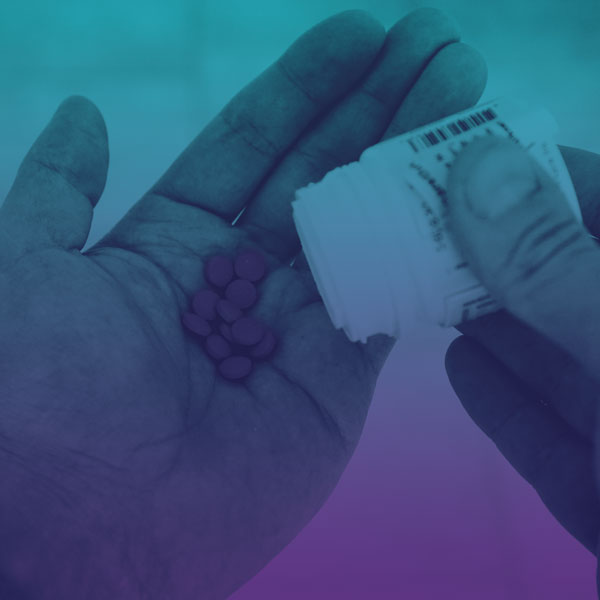
I started to take a pill a day, just to relax and chill when I got home from my internship. Sometimes, I would take a pill at work. No one noticed and I didn’t realize it would become an addiction. However, I started taking a pill a day for over a month and I soon discovered that I was addicted. I couldn’t go a day without taking the pill. When I tried to quit, I would go into terrible withdrawal and I wouldn’t be able to make it. I decided that I had to quit once and for all. I flushed all my pills down the toilet and said never again.
Shortly after, I experienced a depression I had never felt. I was crying for no reason. My anxiety was heightened. I was fearful and upset about everything. I didn’t realize that this depression was a side effect of withdrawal so I decided to see a psychiatrist to help with my depression.
When I arrived at his office, I told him about the tramadol and my addiction. I cried over my depression and told him how anxious I felt. Instead of addressing the under-lying causes of my feelings or discussing anything about addiction, he prescribed me Xanax, Ambien, and an anti-depressant.
I was able to stop abusing pills for a few years. I took my Ambien as prescribed and rarely took the Xanax. The anti-depressants moved me out of my depression, and eventually life returned to normal.
However, overtime, when life would get bad – I would take the pills to escape feelings. I didn’t realize that I was self-medicating. Instead of talking about my depression and hopelessness, I would pop a pill and try to forget about it. They say that the cure for the pain is in the pain. But, I didn’t want to experience pain. In fact, I stopped wanting to experience anything. I wanted to numb.
For the next several years, instead of seeking therapy or help, I swallowed prescription-pills. Eventually, I turned to heavier drugs like cocaine. The more drugs I took, the worse my life got. However, I had forgotten how to deal with my feelings without drugs.
It’s a common occurrence for people to self-medicate their depression, anxiety, or other mental health issues with drugs. My friends with bi-polar disorder would often use meth and heroin to try to balance out their manic and depressive states. Instead of taking their prescribed medications, they would take illicit drugs.
When I got into recovery, I realized that the majority of the time I was using drugs to self-medicate. If you believe that you are using drugs to self-medicate, please call Clean Recovery Centers. We can help.

ABOUT LARA
Lara Frazier is a truth-teller, a sobriety warrior and a writer. She is a FIERCE believer in the power of owning our stories and is a strong advocate for addiction recovery. Lara shares a story of healing: in sobriety, through addiction, in life and love, and in all the other big huge moments of fear and magic that we rarely talk about, but we should. Find more of Lara’s work on Instagram @sillylara.
