
Taking Off The Mask – Embracing Your Sober Life
Living life in active addiction is like wearing a mask. No one can see who we really are. And the people we become resembles our true selves little if at all. That said, for many us, the mask was on prior to ever consuming drugs or alcohol. We never felt like they fit in. Always restless, irritable, and discontent. So, we put on a mask or facade for the outside world so as to not let anyone in and possibly see that we were lost souls. Our masks varied – arrogance, indifference, hatred, etc.
Rather than dealing with these feelings, many of us turn to drugs and/or alcohol to medicate the feelings away. Almost invariably, the negative feelings get worse when the high dissipates, addiction sets in, and the vicious cycle of medicating begins requiring more of the substance or substances to blot away the feelings each time we use.
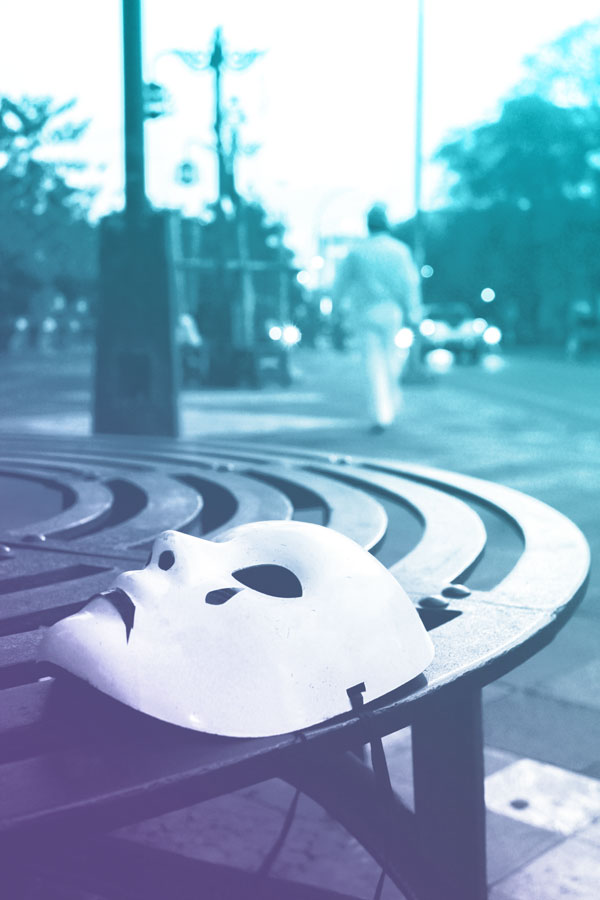
The mask induced by addiction is rarely a pretty one and is everchanging. One day the mask may appear a bit happier, the next it may appear very ugly. Over time, the mask becomes increasingly ugly and no one wants to look at it, especially the person wearing it. Abhorrent behavior becomes common and increasingly harmful to all involved, in particular, our loved ones. The substances have essentially “masked the mask”. Towards the end, if we survive, we are left with zero coping skills and a horrific impending sense of doom. Many of us have described the sensation as a living hell.
Recovery requires not only taking off the chemically induced mask but the mask so many of us have had underneath. The mask that was covering the restless, irritable, and discontent feelings that were largely the reason we began to medicate ourselves in the first place. This requires a process that is not easy but is very well-worth it.
First, we need the chemical mask peeled away. This most often requires a detoxification process in a licensed facility. Though absolutely essential, detoxification is only a small start. Once the substances are removed from the system, the old negative feelings are felt once again and so is the guilt and shame associated with the consequences of active addiction. This can be a very painful time and for many of us, unless clinical treatment is started immediately and with a robust effort, we are off and running again in active addiction within hours or days.
Clinical treatment and/or 12 step work (we see the best results these approaches occur simultaneously) is required by the vast majority of us once detoxification is complete. This is how the mask underneath the chemical mask is slowly removed. The process requires a lot of effort and can be very painful. We learn to deal with the wreckage of our past. We to learn to live life on life’s terms – many of us, for the first time in our lives.
Of all the diseases to have, addiction is essentially the only one where the side effects of the treatment are a better life for not us but our family, friends, co-workers, etc. Those of us who go through the process thoroughly and diligently find ourselves almost invariably “embracing our sober life.” We find tremendous relief from having finally removed our masks and becoming our true selves.
During this holiday season, with all of the temptations that are associated with such times of the year, we urge all of those suffering with addiction to strongly consider finally “taking off the mask”. It could be the best gift you ever give yourself and all of those close to you.
Recent Posts
