Do I Have To Be Religious To Stay Sober
You do not have to be religious to recover from addiction. There are many different paths to recovery, and what works for one person may not work for another. Some people find that their faith is a helpful part of their recovery, while others do not. The important thing is to find what works for you and stick with it. Recovery is a journey, and there is no single right or wrong way to do it.
For some people, their faith is a central part of their recovery from addiction. They may find strength and comfort in their relationship with God, and they may use prayer and meditation as a way to cope with difficult emotions.
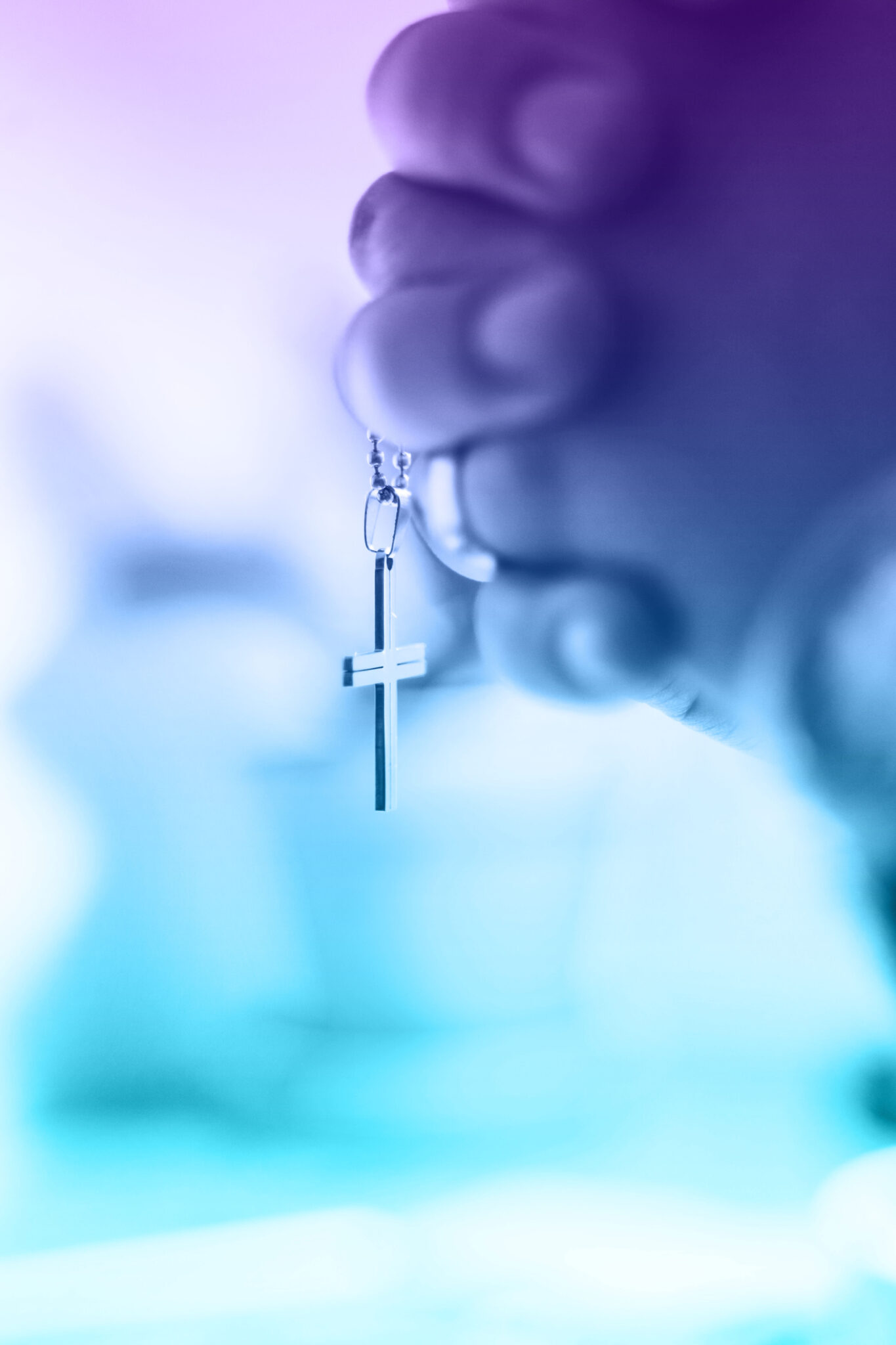
Addiction is a difficult thing to overcome. It can take over your life, and it can be hard to break free without help. That’s where a higher power, or something greater than yourself, comes in. Some prefer to refer to this source of help as a Higher Power instead of God. By having something to believe ingreater than themselves, addicts can find the strength they need to stay sober. They can also find support and understanding from others who are going through the same thing and have similar beliefs.
In recovery groups such as 12 step, people talk about their experiences, offer each other advice on how to stay sober, and talk about how God or their Higher Power has helped them. These types of groups also provide a sense of community that can be vital for someone who is struggling with addiction. By turning to a Higher Power, addicts can find the help they need to overcome their addiction and start fresh.
Others have found solace and help for their addiction in spirituality. Spirituality can be an important part of recovery from addiction. For many people, spirituality can provide a way out of addiction. It can give them a sense of purpose and help them to stay away from drugs and alcohol. Spirituality can also help people to cope with the stressors that may have contributed to their addiction in the first place.
What is the difference between religion and spirituality? There is no easy answer to this question as it is a matter of personal belief. For some people, religion and spirituality are one and the same thing. For others, there may be a distinction between the two. Religion may be seen as a set of beliefs and practices that are codified in an organized way, while spirituality may refer to a more personal and less formal relationship with the divine or transcendent. Religion often includes ritual and ceremony, while spirituality may or may not. Religion typically involves a community of believers, while spirituality can be practiced alone or in groups. For some, religion is about following rules and dogma, while spirituality is about personal growth and understanding. Ultimately, the difference between religion and spirituality is a matter of interpretation. What is important is that that the suffering addict finds a path that is meaningful to them.
Can a person get clean and sober without spirituality or religion or God? The simple answer is yes. However, it may be more difficult to do so without some form of support system in place. There are many programs and resources available to help people in recovery, and many of them are secular in nature. There are also online support groups and forums that can provide valuable information and support. Recovery is possible without spirituality or religion, but it may be more difficult to achieve and maintain sobriety without these things.
The 12 steps have been found to be the most effective treatment for addiction, according to studies. We have seen incredible results when the 12 step process is combined with effective clinical work. If you’re addicted to drugs and/or drugs, the 12 steps can help you overcome your addiction and live a better life.At the heart of that process is a Higher Power. That Higher Power is defined by the suffering addict –
their own conception of a Higher Power. That can be God which it tends to be most often. It can also be their support group, i.e., Group Of Drunks, or whatever the suffering addict chooses that Higher Power to be.
If you or someone you know is struggling with addiction, the most important thing you need to do is reach out for help, whether that be something faith based or something with a more secular approach. There are people who care and want to see you or your suffering loved one succeed!
