
Cocaine and Alcohol
“Though no one can go back and make a brand new start, anyone can start from now and make a brand new ending.” -Nancy Christy
You probably know that cocaine can change the way the brain functions. But did you know mixing cocaine and alcohol leads to the creation of a new substance that is even more damaging to the body?
As Nancy Christy said above, it’s not too late to start over now.

Clean Recovery Centers understands how hard it can be to begin again. Our program uses a unique, three-phase approach unlike any in the Suncoast area. It is geared to fit individual needs, no matter where you are in your recovery journey. We are here to help and have resources for those who may have been one of the over 80,000 adult drug-related arrests here in Florida in 2023. Let’s talk about how cocaine and alcohol affect the body and how seeking treatment can be your step to begin anew.
Individual Effects of Cocaine and Alcohol
Both cocaine and alcohol can have effects on the body when taken separately. Both substances are seen as toxins, and they trigger different reactions within the body. Although they produce opposite effects, both carry their own risk of dependence.
Common Cocaine Effects
Cocaine is a stimulant and most often associated with these side effects of cocaine use:
- Bouts of extreme energy and focus
- Sensitivity to light, touch, and sound
- Engaging in risky behaviors
- Decreased appetite
- Difficulty sleeping
Cocaine’s effects are typically short-lived, making the person want to use more to keep feeling the same. This encourages binge sessions, and once the effects of cocaine wear off, the person will crash. As the cycle continues, the person will become dependent on cocaine, regardless of alcohol use paired with it.
Common Alcohol Effects
Alcohol is a depressant that slows the body down as opposed to cocaine speeding it up. Common side effects of alcohol use include:
- Reduced motor functions
- Loss of memory
- Dizziness
- Nausea and/or vomiting
- Changes in inhibitions
The body can only process so much alcohol at a time – on average, one drink per hour. When drinking occurs in binge sessions, the body cannot keep up. This can lead to blackouts and alcohol poisoning, which can be life-threatening. Blackouts occur when the person is still conscious but is no longer converting memories to long term. They will not remember some or all of the events that took place, causing mental and emotional stress. Alcohol poisoning is when too much alcohol is in the system. The central nervous system slows, and breathing can stop. Vomiting happens during alcohol poisoning as the body tries to rid itself of the toxin. However, if the person is unconscious, they can choke and further put their life in danger.
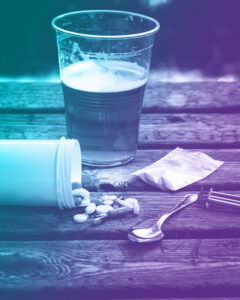 Mixing Cocaine and Alcohol – What Happens?
As we discussed above, cocaine and alcohol alone produce different effects. But what happens when you mix them together? In the short-term, the effects of mixing cocaine and alcohol may feel good. However, in the long-term, the
effects can cause lasting damage to vital areas of the body. Mental health is also affected by mixing the two substances.
Short-Term Effects
As cocaine and alcohol are used together, the effects will seem to cancel each other out. Alcohol is said to help with the comedown after using cocaine, while cocaine lessens feelings of being inebriated. One study examined these findings to understand the validity behind them. The results showed that while combining cocaine and alcohol does increase overall euphoria, behaviors and toxicity were a concern. Heart rate was significantly higher in those who used both substances at the same time. However, because the person still feels euphoric and alert, there is a higher risk of experiencing either a cocaine or alcohol overdose when combined.
Long-Term Effects
Long-term cocaine use can change the way the brain releases chemicals. Cocaine causes dopamine to be abundant in the brain, producing the euphoric feelings associated with use. However, this disrupts the brain’s natural dopamine response, and over time, cocaine becomes the only thing that creates a dopamine response. The person will need to use cocaine to feel general feelings of joy that would normally come from having sex or eating a good meal. Depression and anxiety between uses will rise, depleting mental health.
Long-term alcohol use is known to cause damage to many vital organs, especially the liver. Conditions such as fibrosis and alcoholic hepatitis can cause the liver to not function properly and progressively get worse. However, when caught early enough and drinking discontinues, these conditions can heal. Once liver damage has progressed to cirrhosis, it becomes much more difficult and sometimes not possible to heal from. Medical attention will be needed to manage the condition, and sometimes a liver transplant will be necessary.
When used together, cocaine and alcohol put strain mainly on the cardiovascular system. Frequent high blood pressure makes it difficult for the heart to pump blood throughout the body. This can cause cardiomyopathy, which includes stretching of the heart muscle. Irregular heartbeat and failure of areas of the heart can occur. The heart muscle can heal if treatment is sought early but – similar to the liver – damage can progress beyond treatments.
What Is Cocaethylene?
Both cocaine and alcohol are forms of chemical compounds. Combining the two substances in the body forms cocaethylene, which is the only instance where a new, psychoactive substance is created completely within the body. Cocaethylene prolongs the effects of cocaine and has a longer half-life, keeping it within the system longer. Cocaethylene is still widely being researched, but the main process behind its formation comes from chemical conversions happening within the body.
How Cocaethylene Damages the Body
Just as alcohol and cocaine affect the cardiovascular system when used separately, cocaethylene increases the risks of complications. Cocaethylene is more potent and longer lasting than cocaine alone and is said to be 10 times more toxic to the cardiovascular system. This is because cocaethylene is a potent sodium channel blocker. The heart relies on electrical signals to function, and sodium channel blockers reduce conductivity. The result is increased heart rate and higher blood pressure, which can cause damage.
The brain can be affected by long-term cocaine and alcohol use producing cocaethylene. As we mentioned above, cocaine can rewire pathways and make it difficult to feel joy. Cocaethylene also causes pathway changes within the brain but can also cause neurodegeneration. Once cells have been lost to neurodegeneration, the brain cannot grow them back, leading to permanent damage in the affected areas.
Because cocaethylene increases euphoric feelings, it can make the person want to take more cocaine and alcohol. Despite not feeling like they are “overly drunk or high,” the effects the substances are having on the body are still there. Alcohol poisoning or a cocaine overdose can still happen even if the person does not feel it. Both conditions are serious and require medical attention.
Getting Treatment for Cocaine Addiction in Sarasota County, FL
Substance use can wreak havoc on the body, and combining cocaine and alcohol can prove detrimental to your overall health. The good news is that there are treatment options to address multiple substances at the same time. Alcoholism addiction treatment and cocaine addiction therapy will allow you to discover where your substance use stems from and how you can heal to move forward with your life. Therapy, skill-building classes, and developing support are all components of treatment that will lay the building blocks for you to begin constructing the path to a successful recovery.
If you or someone you love is managing a cocaine and alcohol use disorder, we are here to help. Clean Recovery Centers is well-versed in polysubstance use as well as mental health. We have seen how undiagnosed mental health conditions contribute to substance use, and our dedicated team can diagnose and treat any mental health condition, no matter the phase of treatment. Call us today at (888) 330-2532 to schedule an appointment.
Get clean. Live clean. Stay clean.
