Depressant Addiction and Recovery
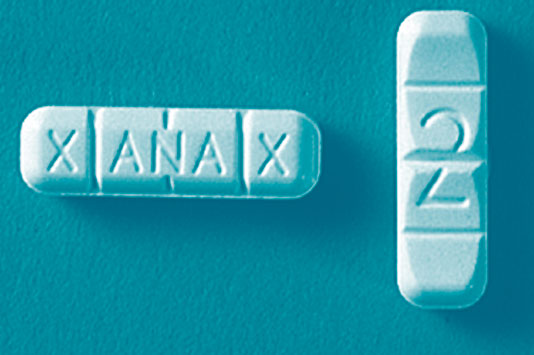
Depressant substances generally work by slowing down the body and thus creating a sense of relaxation. Alcohol is one of the most common depressants. It is legal and widely available. Many who eventually become addicted start out by using alcohol in small amounts, then develop an alcohol addiction due to dependence its relaxing effect. Central nervous system depressant drugs such as Valium and Xanax can produce a similar effect.
Effects of Depressants
While treatment for a specific substance addiction is often tailored to address its particular properties, depressants as a class have certain things in common. Alcohol and other CNS depressants bind to receptors for a neurotransmitter called gamma-aminobutyric acid. The chemical interaction of GABA with depressants results in a sensation of calm and relaxation. At the same time, depressants produce dopamine, which forms part of the addiction process by producing a pleasurable feeling which becomes tied into the consumption of the substance.
The effect of alcohol on GABA also slows down vital functions such as heart rate and breathing, which also affects muscle tone and control. Effects can include slowed reaction time, damaged physical coordination and impaired cognition. Over time, habitual consumers of these substances can develop both a dependency on the substance and a tolerance for its effects, which in turn leads to higher levels of consumption.
Signs of Drug or Alcohol Addiction
Simply consuming alcohol or depressant drugs is not necessarily a sign of a problem. Many people take depressants based on a legitimate prescription while following their doctor’s instructions. Alcohol consumption can also occur without becoming an unhealthy behavior. However, it is important to be able to identify signs that you or a loved one may be developing an addiction.
Common behavioral signs of addiction include an increased preoccupation with obtaining and consuming the substance. With addiction, this preoccupation increasingly takes center stage while other obligations, relationships and hobbies fall by the side.
Another key element is denial of excessive use and the harm it is causing. When addiction takes over, a person can feel a compulsion to consume alcohol or drugs, which outweighs the physical or mental pain that follows the consumption. On a related note, the eroding ability to control consumption also serves as an important red flag.
Alcohol addiction can also result in physical symptoms. CNS depressants can cause sudden and noticeable weight fluctuations. Other signs include insomnia, red eyes and weakened physical coordination.
If you suspect you or a loved one is suffering from addiction, it is time to consider alcohol recovery and treatment options. When addiction takes hold, simply deciding not to drink anymore typically does not work. Consulting experienced professionals is the best way to determine the best treatment approach for a specific situation.
Treatment
Generally, effective treatment for depressant drug or alcohol addiction includes behavioral therapy, peer support and a medical regimen. Working with a qualified therapist helps the patient modify his or her actions. It helps identify the root psychological causes of the addiction and helps develop healthy coping techniques. Support from others in the same situation, under the guidance of appropriate professionals, is another key factor in recovery. Because alcohol and depressant addiction results in a physical dependence, it is important to manage withdrawal properly. This can include a supervised medication regiment. Many people find the setting at good treatment centers is most conducive to getting the help they need.
Clean Recovery Centers has developed compassionate and effective approaches to depressant and alcohol recovery that incorporates key elements in an individualized plan for each person. If you struggle with addiction, or have a loved one who does, speaking with one of our professionals can help you learn more about how we can assist. You can reach us online or call us at (888) 330-2532.
Sources
Recent Posts
