
4 Things I Wish I Knew About Addiction (Before I Became Addicted)
I never would have believed that I would one day become addicted. I knew the “Just Say No” campaign backwards and forwards. They told me the effects that drugs would have on my brain and on my life. I watched commercial after commercial showing me the chaos and destruction that drugs cause. I won the 5th grade D.A.R.E Essay on why I would always so No to drugs. They told me marijuana was a gateway drug, so I stayed away from it.
by Lara Frazier
I never learned what caused addiction, but it didn’t seem like something that would happen to me. The media & society depict people who are addicted as homeless, unloved, broken, uneducated disasters. I wouldn’t be one of “them.”
Here is what I wish I knew about addiction:
1. Just Because a Doctor Prescribes it to you Doesn’t Mean It’s Safe.
I can’t begin to tell you how many drugs I have been prescribed by doctors. A short list includes Adderall, Xanax, Ambien, Vicodin, Percocet, & OxyContin. These were all prescribed to me before I became addicted to them. I didn’t go out seeking these drugs. They were supposed to relieve a variety of ailments including depression, pain, anxiety, and insomnia. The doctor’s always had an easy answer for me. The answer was a pill. I didn’t need to go deep into my history or answer any difficult questions. I just had to tell them my signs and symptoms and all they did was treat these signs and symptoms. I never received any education or alternatives to medication. Every visit to a doctor was short and easy. Another prescription. That became the answer and the solution to my every problem. Even when my parents told me to be careful, when they warned me of the dangers, when they said my personality was changing – I dismissed them. They weren’t medical professionals. They didn’t know what I needed. I trusted in my doctors, and I shouldn’t have.
2. Addiction Doesn’t Discriminate
Addiction can happen to anyone. It doesn’t matter how much you were loved and how well you were raised, addiction can show up. Addiction doesn’t just happen to bad people; in fact, it happens to very good people. It happens to people who are hurt or have been hurting. It happens to people who have to use pills for pain management. It happens to people who are misdiagnosed. It happens to people who have experienced trauma. It happens to people who would never expect it to happen. The number of people who are addicted is rising steadily. And the number of people who are dying from addiction is also rising. Addiction shows up across all social classes, all races, and all ages. Addiction can happen to you, even when you swear it can’t.
3. Early Intervention is the Key
When I first became physically addicted to opioids, I went to see a psychiatrist to get help with my addiction. He prescribed me a few drugs and he gave my very little information on what addiction is or how to treat it. I was able to quit with his help. However, addiction came back into my life years later. I wish, that when I first became addicted, someone would have intervened in my life and told me that I needed more help than just a few pills. I wish I would have gone to treatment the very first time I became addicted. If I had help, when I was simply mis-using my prescriptions, I feel that I would have been able to stop and stay stopped. When I started binge drinking in college, I wish I would have given it up. I wish that I would have known I didn’t need to drink to be cool. I wish I could have seen how mis-using prescriptions and binge drinking till I passed out would one day lead to addiction. If I had quit before I became physically and mentally addicted, I might not have become someone who lived 5 years in a terrible and merciful addiction.
4. Shame and Stigma Keep You from Getting Sober
There is a stigma of an addict or alcoholic that still exists today. A large majority of our society thinks that addiction is a choice or a moral-consequence. They think that you have made the decision to use, and thus you can make the decision to quit. They don’t understand the science of addiction. I was one of these people. I knew what society thought of addicts and I never wanted to admit to being one. I was so ashamed of my addiction. I never wanted to ask for help because I didn’t want anyone to know I was an addict. I didn’t want to talk about my troubles because I had a fear of being vulnerable. What would people think of me? How would I be able to maintain my career if people knew about what I was doing? They say one of the top reasons people don’t get help is because of shame and stigma. Currently, only 10% of people who are addicted get the help they need. Shame keeps us sick. Stigma stops us from admitting to our own problems. Today, I am proud to be a person living in recovery. I have overcome my shame and understood my strength.
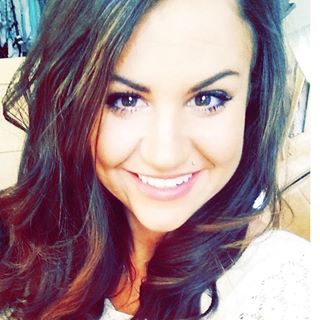
ABOUT LARA
Lara Frazier is a truth-teller, a sobriety warrior and a writer. She is a FIERCE believer in the power of owning our stories and is a strong advocate for addiction recovery. Lara shares a story of healing: in sobriety, through addiction, in life and love, and in all the other big huge moments of fear and magic that we rarely talk about, but we should. Find more of Lara’s work on Instagram @sillylara.
Recent Posts
