Understanding Cross Addiction
Addiction is complicated. The more researchers explore what causes some people to become dependent on drugs and alcohol, the more they realize that ending substance abuse is about more than just saying no. Part chemical craving and part behavior, the cycle of addiction can be broken, but sometimes, people end up trading addictions, substituting one substance for another. Why does this cross addiction occur, and can it be avoided? Awareness and treatment can go a long way towards preventing this type of addiction replacement.
What Leads to Addiction?
No one starts out wanting to overuse drugs or alcohol, so the idea of saying an addict should have better self-control or will power shows a lack of understanding about what causes addiction. The way substances change your brain chemistry, especially what can trigger a release of dopamine, explains more about why it is so difficult to quit and stay sober. Addiction is a combination of craving, losing control of usage, and continuing the behavior despite the dangers, and the medical consensus is that it is a disease process, not the result of bad choices. The federal government’s most recent statistics from 2013 indicate that almost 23 million Americans were in need of treatment for substance use, and no demographic is immune from its impact or the potential of trading addictions. It is a widespread problem that affects all of society.
Treatment Options
When people seek help for their addiction, they may not realize that treatment is a process, not a cure-all. There are bumps along the road to sobriety, and relapse is not uncommon. Treatment can also depend on what type of addiction a person has; the treatment for opiate addiction, for example, may not be the same as it is for alcohol use. Typically, treatment is a combination of methods, such as group therapy, inpatient residency, behavioral therapy, and even medications.
Unfortunately, not everyone has access to the kind of treatment that may work best for their addiction. Some of the barriers to treatment can include lack of insurance, inability to pay privately, legal issues, lack of childcare, and even absence of support system. Without appropriate or ongoing treatment, even the most motivated person can experience relapse or end up trading addictions.
The Risk of Addiction Replacement
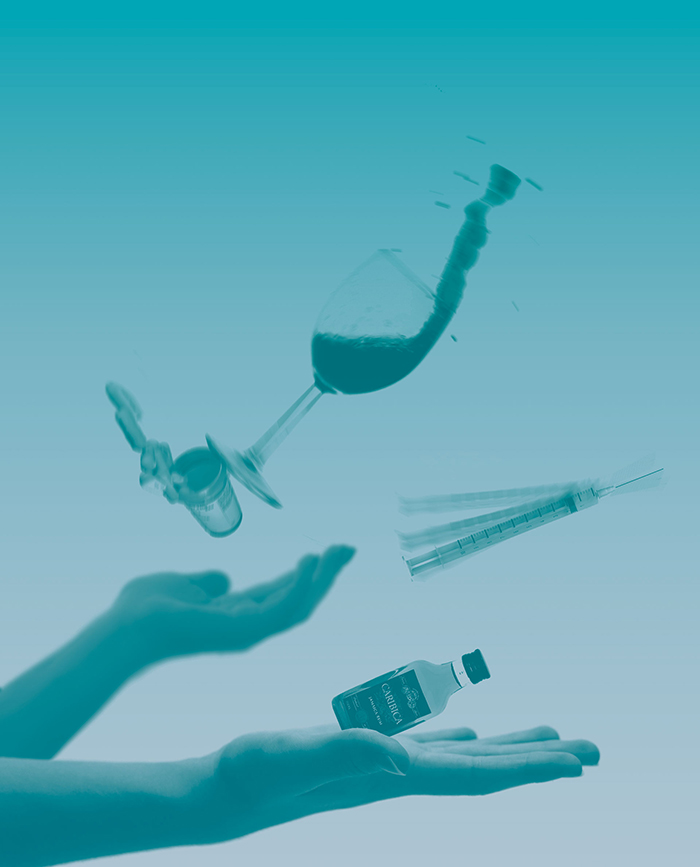
If you or a loved one has experienced an addiction, you may be more likely to become addicted again, even if not to the same substance. For example, an alcoholic who participates in a 12-step recovery program may become addicted to nicotine, or a person who stops smoking can replace nicotine with a caffeine addiction. This can be almost immediate or take place over years, which means several paths to trading addictions can exist. Here are a few more examples of types of addiction that go beyond drugs or alcohol:
- Gambling
- Compulsive shopping
- Overeating
- Sexual behavior or pornography
- Exercise
- Overworking
Unfortunately, researchers have not reached a consensus on the possibility of replacing addictions, nor does the government track any statistics about it. People who are at risk of addiction replacement may have additional barriers to getting the treatment they need because their medical providers may not recognize the symptoms or realize that the behavior and need for dopamine release still exists.
Hope, not Despair
To overcome the risk of cross addiction during treatment, you should find a program that offers an individualized approach to recovery. Clean Recovery Centers is not a one-size-fits-all treatment program. Our staff realizes that the path to sobriety works best when it involves behavioral and lifestyle changes to help you achieve success. Contact us to learn more about how we can help you or your loved one avoid the pitfalls of trading addictions.
