
How Does Physical Therapy Help Addiction Recovery?
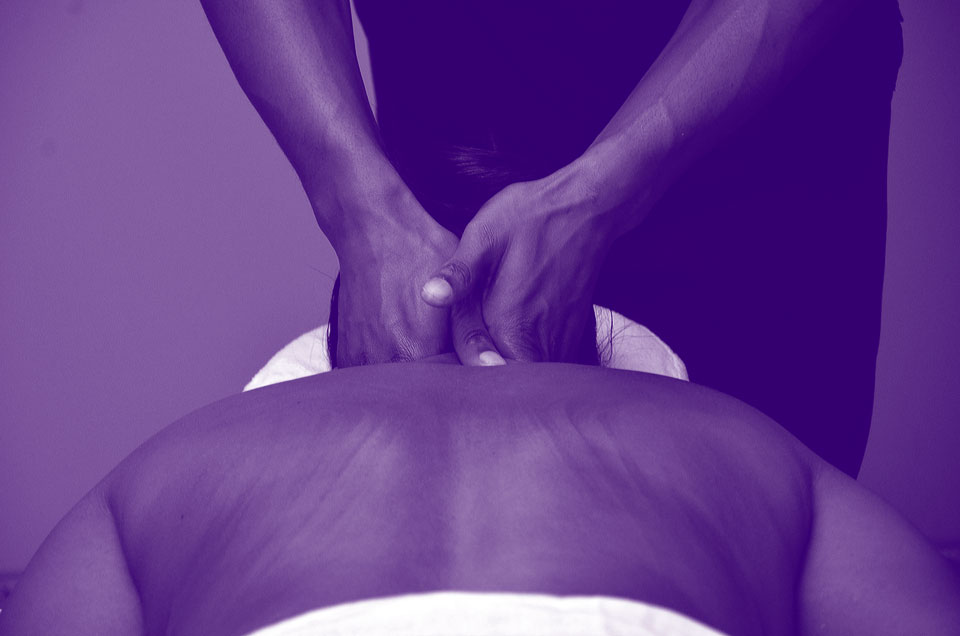
When people think of addiction treatment, they likely think primarily about the psychological aspects of recovery, such as psychotherapy, 12-step programs, or counseling. However, addiction is not only a disease of the mind but also of the body. Physical therapy for addiction has the potential to remove musculoskeletal pain and relieve stress that may be barriers to recovery.
Addiction Pain Management
While physical therapy is an effective part of treatment for any type of addiction, including alcohol, cannabis, and stimulants, it has the potential to add an extra dimension when it comes to treating opioid addiction. Many opioid addicts were prescribed painkillers in an attempt to manage chronic pain, leading to addiction. When the addiction is treated, the pain still remains. Physical therapy can help to manage chronic pain by improving body functioning.
Biochemistry
Exercise, such as that which takes place during physical therapy, can stimulate the release of endorphins, which are biochemicals that function in the body similarly to the way that morphine and other narcotics do but without the harmful aftereffects. Release of endorphins through exercise can help to elevate the mood and promote positive feelings, diminishing the need to create them artificially by using substances.
Neurotransmitters are chemicals in the brain that regulate its function. An imbalance of neurotransmitters in the brain can lead to psychological and emotional disorders, such as anxiety and depression. Drug addiction can throw the neurotransmitters balance, putting physical and emotional stress on the body. Physical therapy can help to bring the neurotransmitter levels within the brain back into balance, alleviating stress and helping to ease psychological symptoms.
Therapeutic Alliance
Addiction often leads to societal rejection and estrangement from loved ones, and yet, treatment is more effective when one has the support of others who are invested in one’s goal. A physical therapist can be an ally who provides support on the road to recovery, providing belief in one’s capabilities that can help to increase a patient’s faith in the treatment process, which accounts for as much as 30 percent of the overall improvement experienced.
Self-Efficacy
Self-efficacy is one’s belief in one’s one ability to achieve goals. Like addiction recovery, physical therapy is a goal-based process in which one makes step-by-step progress toward a long-term objective. Demonstrating to oneself the ability to make improvements and achieve goals in physical therapy may help one to have more faith in one’s ability to progress in addiction recovery treatment.
Benefits of Exercise Outside Physical Therapy
Physical therapists may encourage exercise for addiction recovery to take place outside of scheduled sessions. Apart from the physical, psychological, and emotional benefits of physical therapy for addiction, exercise also serves as a distraction from drug cravings and can be a constructive way to structure one’s days around something other than obtaining and using substances.
Results
Scientific studies have demonstrated a number of positive results for people in recovery who participate in physical therapy and exercise as part of their treatment:
- Out of 20 recovering addicts who agreed to take part in a two-to-six-month program of group exercise three times a week as part of their treatment, 10 reported decreased substance use upon reassessment one year later, while five reported complete abstinence.
- Meta-analysis of 22 studies demonstrated that, though results can vary depending on the substance used, exercise can be effective at easing withdrawal symptoms and increasing abstinence rates.
- Treatment facilities that incorporate exercise and physical therapy in recovery programs have seen lengths of stay increase by 15 percent, patient discharges against medical advice decrease by 22 percent, as well as improved patient involvement in counseling sessions and decreased rates of relapse.
A Whole Person Approach
While physical therapy for addiction is not sufficient treatment on its own, promoting physical fitness and general wellbeing can be an important step toward recovery as part of a more comprehensive program.
Sources:
- https://www.health.harvard.edu/blog/can-exercise-help-conquer-addiction-2018122615641
- https://www.ncbi.nlm.nih.gov/pmc/articles/PMC4199732/
- https://www.nytimes.com/2008/03/27/health/nutrition/27best.html
- https://www.rehabspot.com/treatment/clinical/types-of-therapy/
- https://www.smartrecovery.org/benefits-of-exercise-in-addiction-recovery/
- https://youtu.be/nRNus-wVn3U
