
Key Takeaways
- Anxiety can cause both physical symptoms and changes in your thoughts, emotions, and behavior.
- Anxiety may need treatment when worry, fear, avoidance, or physical symptoms begin interfering with everyday life.
- When anxiety and substance use occur together, dual diagnosis treatment can address both concerns at the same time.

Recognizing the Signs of Anxiety and When to Seek Help
Everyone knows what it feels like to worry. Your heart might race before an important conversation, or you may feel nervous when facing something unfamiliar. Some anxiety is a normal part of life.
But anxiety can become harder to manage when it feels constant, causes you to avoid things you once enjoyed, disrupts your sleep, or begins affecting your relationships and daily responsibilities.
Mental health concerns affect many people in the communities we serve. From 2023–25, Hillsborough County recorded 32,823 hospitalizations related to mental disorders. If anxiety is beginning to interfere with your life, reaching out for support can help you understand what is happening and what to do next.
At Clean Recovery Centers, we start by learning what you’re experiencing and how it is affecting you. From there, treatment can help you understand your symptoms, develop healthier ways to cope, and regain a greater sense of control.
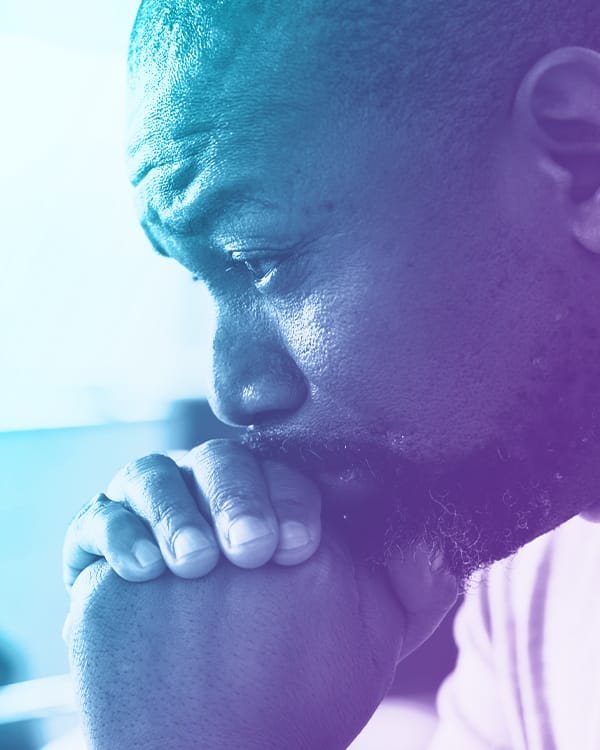
What Are the Most Common Physical Signs of Anxiety?
You may notice anxiety in your body before you recognize it in your thoughts.
When you feel threatened or overwhelmed, your body can activate its fight-or-flight response. This response is designed to protect you, but when it happens frequently or without an immediate threat, the physical sensations can become uncomfortable or frightening.
You might experience:
- A racing or pounding heart
- Sweating
- Shaking or trembling
- Muscle tension
- Headaches
- Nausea or stomach discomfort
- Fatigue
- Difficulty sleeping
- Chest discomfort
- Shortness of breath
- Dizziness or lightheadedness
You may experience several symptoms at once or only one or two. Anxiety can feel different from person to person.
It can also be difficult to know whether a physical symptom is caused by anxiety or something else. If you experience new, severe, or concerning symptoms, especially chest pain or difficulty breathing, seek medical attention rather than assuming anxiety is the cause.
If physical causes have been ruled out and these symptoms continue interfering with your life, a mental health professional can help you determine whether anxiety may be contributing.
Identifying the Emotional Signs of Anxiety
Sometimes anxiety looks like obvious worry. Other times, it feels more like a constant sense that something is wrong. Or a sense that something bad is going to happen, even if everything looks fine on the surface.
You may replay conversations in your head or struggle to relax because your mind is always looking for the next problem.
Emotional and behavioral signs can include:
- Persistent or excessive worry
- Feeling restless or constantly on edge
- Difficulty concentrating
- Irritability
- Trouble relaxing
- Feeling overwhelmed
- Fear that something bad will happen
- Avoiding uncomfortable situations
- Frequently seeking reassurance
- Pulling away from activities because of fear or worry
These experiences do not automatically mean you have an anxiety disorder. Anxiety is a normal human response that everyone experiences sometimes.
The concern is when anxiety becomes difficult to control or starts interfering with everyday life.
If you’re spending more time managing anxiety than living your life, it may be time to talk with someone.
Anxiety Attack vs. Panic Attack: What Is the Difference?
People often use the terms “anxiety attack” and “panic attack” interchangeably, but they do not mean exactly the same thing.
An anxiety attack is not a formal clinical diagnosis. People commonly use the phrase to describe a period when worry, stress, or fear becomes especially intense. The feeling may build gradually as anxiety increases.
A panic attack is a recognized clinical term. It involves a sudden surge of intense fear or discomfort that can develop quickly. Symptoms may include a racing heart, difficulty breathing, dizziness, shaking, sweating, chest discomfort, or fear of losing control.
Panic attacks can occur when you’re already anxious, but they can also happen unexpectedly.
After experiencing one, you may begin avoiding certain places, situations, or activities because you’re worried another attack will happen. When panic or avoidance begins affecting your life, professional support can help.
Treatment can help you better understand what you’re experiencing and develop healthier ways to respond to anxiety and panic disorder.
Getting Diagnosed With an Anxiety Disorder
If you’ve been wondering whether your anxiety is “bad enough” to need help, you do not have to make that determination alone.
A qualified mental health professional can ask about your symptoms, how long they have been occurring, possible triggers, and how they are affecting your daily life. An evaluation can also help determine whether another mental health condition, medical issue, medication, or substance use may be contributing.
Anxiety can occur alongside substance use as well. Some people use alcohol or drugs to quiet racing thoughts, relax, sleep, or cope with situations that make them anxious. While substances may provide temporary relief, they can create additional problems over time.
When anxiety and substance use occur together, dual diagnosis treatment can address both concerns within the same treatment plan.
At Clean Recovery Centers, treatment may include individual therapy, group therapy, family therapy, psychiatric services, and other approaches based on your needs.
You don’t need to know what kind of treatment you need before reaching out. That’s part of the assessment process. If you’re experiencing anxiety alongside substance use, anxiety treatment can address both concerns. If you’re seeking care for anxiety without a substance use disorder, we also offer mental health treatment based on your needs.
Ready to Find Anxiety Relief? Contact Clean Recovery Centers in Florida Today
If anxiety has begun affecting the way you sleep, think, work, connect with others, or go about your day, you do not have to keep managing it alone.
Treatment can help you understand what is fueling your anxiety, recognize patterns that keep it going, and develop practical strategies for responding differently. You do not need to wait until anxiety feels unmanageable before asking for support.
If you’re ready to talk, contact Clean Recovery Centers today at (888) 330-2532. Our admissions specialists can verify your insurance, explain your options, and help you take the next step toward care.
Get Clean. Live Clean. Stay Clean.
